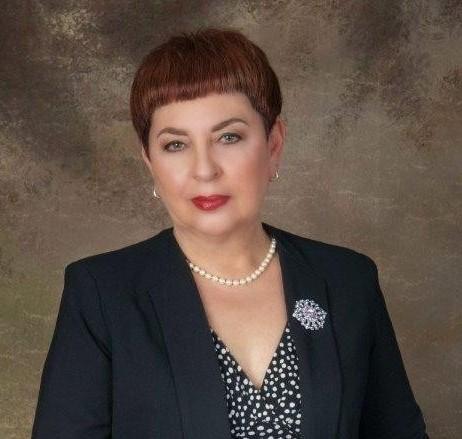
If you’ve ever met Abbe Rivkin, you know she’s a force of nature — smart, warm, energetic, and always ready with a story that’ll make you laugh, cry, or think. Born in Queens, she grew up as the middle child among two sisters and a brother. As a kid, she didn’t dream of being a lawyer at all — she wanted to be on Broadway! Abbe wanted to be an actress in musical theater. To this day, she’ll tear up watching the Tony Awards.
Her family moved to Miami Beach when she was in middle school, New York accent and all. She skipped the eighth grade, went straight to Miami Beach Senior High, and even attended school at the same time as Andy Garcia (though she jokes she didn’t know him). Her dad was a tailor turned master salesman, and her mom worked as a secretary at the high school.
Abbe attended the University of Florida, graduating in 1978 with a Bachelor of Science in Broadcast Journalism. Her father had passed away unexpectedly two years earlier, and during her undergraduate years, her mother suggested she consider law school—advice that changed Abbe’s life. Her grandmother, a striking 4’8’’ Russian snowbird known for her intimidating presence, questioned her decision to “compete with boys,” yet proudly told her friends that her granddaughter was becoming a lawyer.
Her passion for prosecution was sparked by Jay Kolsky, who had served both as a prosecutor and public defender. He told Abbe that if she wanted to be at the “ground floor of justice,” the State Attorney’s Office was the place to begin. She took those words to heart.
In 1979, Abbe joined the SAO as an intern under Jose Quiñon and later entered Major Crimes. At the time, mannequins weren’t used to represent victims, so she was once asked to lie on the courtroom floor to demonstrate positioning—and she did so without hesitation. That moment was unforgettable for HT Smith, who met her that day.
A year later, in 1980, she became a CLI in Juvenile and stayed through her third year of law school. She carried her own caseload, and Janet Reno hired her before she even graduated. Abbe walked across the stage on Sunday and reported back to work on Monday. Abbe served as Assistant Chief of Juvenile for four and a half years until the birth of her eldest daughter. She loved the juvenile division for its ability to change lives and divert youth from the system, working under respected and legendary judges like Gladstone and Gelber.
From there, she moved into Felonies, worked her way up, and spent seven and a half years in Sexual Battery. She eventually became Assistant Chief. Those cases, especially involving children, take a strong heart and sharp mind. Abbe once tried a case while nine months pregnant against a police officer who molested boys. The judge assumed she’d offer a plea since the trial was scheduled two weeks before her due date, but Abbe did not. The trial lasted two weeks. She got a guilty verdict and gave birth to her youngest daughter the very next day. Her family still jokes that the baby was almost born in the courtroom.
After her time in Sexual Battery, Abbe became one of two Deputy Chiefs of Felonies under Chief Assistant Kathleen Hoague. In 2002, she became Senior Trial Counsel in Major Crimes, where she continues to serve.
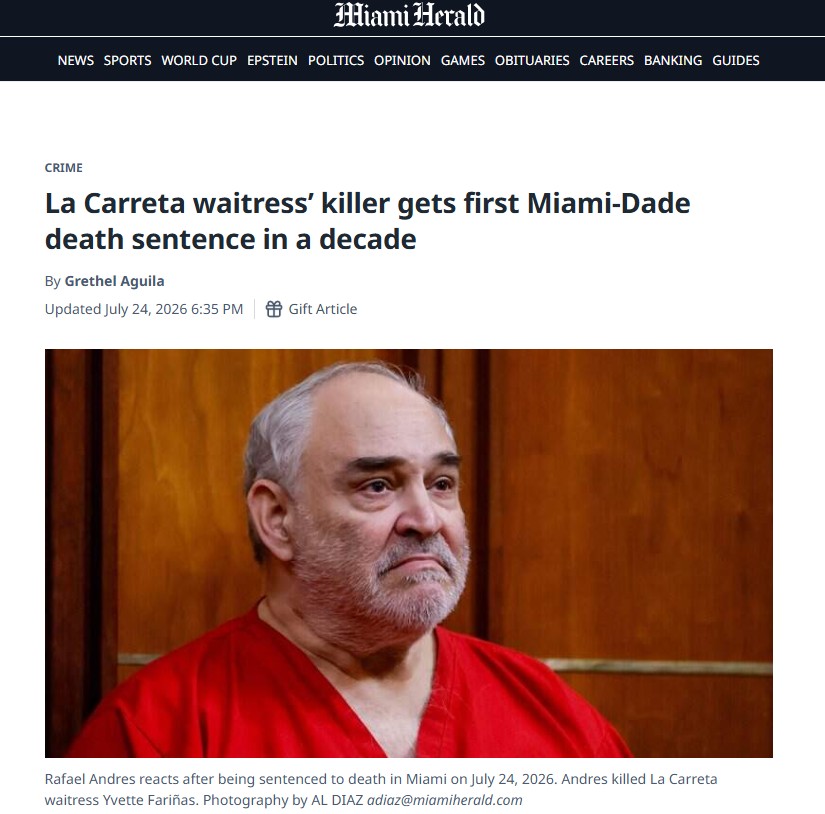
Major Crimes is where Abbe thrives. The cases are complex, unpredictable, high‑stakes — exactly the environment that keeps her energized. She also handles death penalty cases, an area only a small group of prosecutors in the state are qualified to work on. These cases require immense care, extensive review, and a deep understanding of both the defendant’s history and any mitigation.
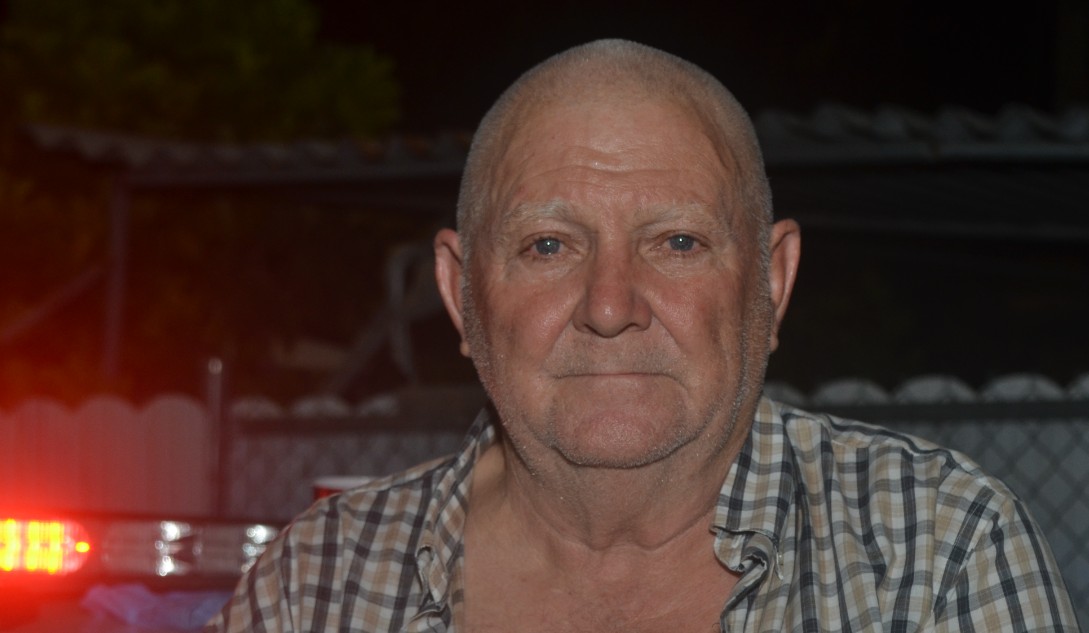
One case that has stayed with Abbe throughout her career is the case against Harrel Braddy. On November 7, 1998, Braddy kidnapped five-year-old Quatisha “Candy” Maycock and her mother, Shandelle. After repeatedly attacking Shandelle and leaving her for dead on Alligator Alley—where she miraculously survived—Braddy abandoned Candy, whose body was later found by fishermen. Abbe worked the case from day one, and Candy remains forever five years old in her heart. Though the defendant was sentenced to death in 2007 and affirmed in 2012, changes to the law required a new sentencing phase in 2026. Due to his advanced age,
the jury ultimately opted for a life sentence. It remains one of the most emotionally significant cases of Abbe’s career.
Another memorable case was the 2001 disappearance and murder of Isabelle Rodriguez by her ex-husband, Jesus N. Rodriguez. It was Abbe’s first no body case, and she worked it from the beginning—including participating in the digs searching for the victim. The complex case took six months to prepare, and the jury returned a guilty verdict in only an hour and a half.
Beyond the courtroom, Abbe has always had a passion for teaching. In 2006, she was invited at the last minute to present at the Florida Bar/University of Florida weeklong prosecutor and public defender seminar—an invitation that has continued annually ever since. In 2007, HT Smith invited her to teach trial advocacy at FIU’s Law Program, and by 2008 she was teaching Trial Advocacy, Trial Practice, and Advanced Trial Advocacy. In 2020, she began teaching at the Advanced Trial Advocacy Course through the Florida Bar Trial Lawyers Section.
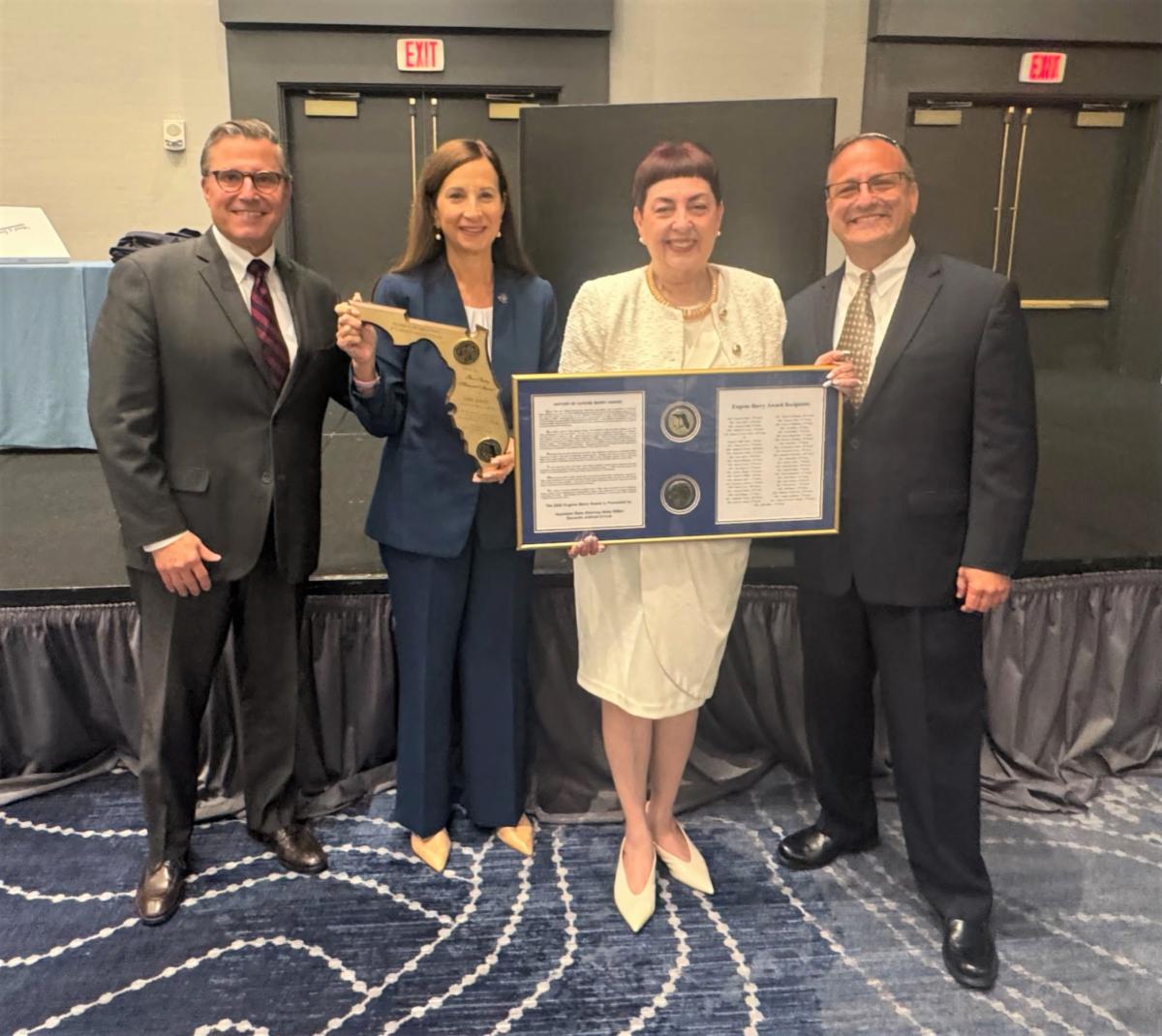
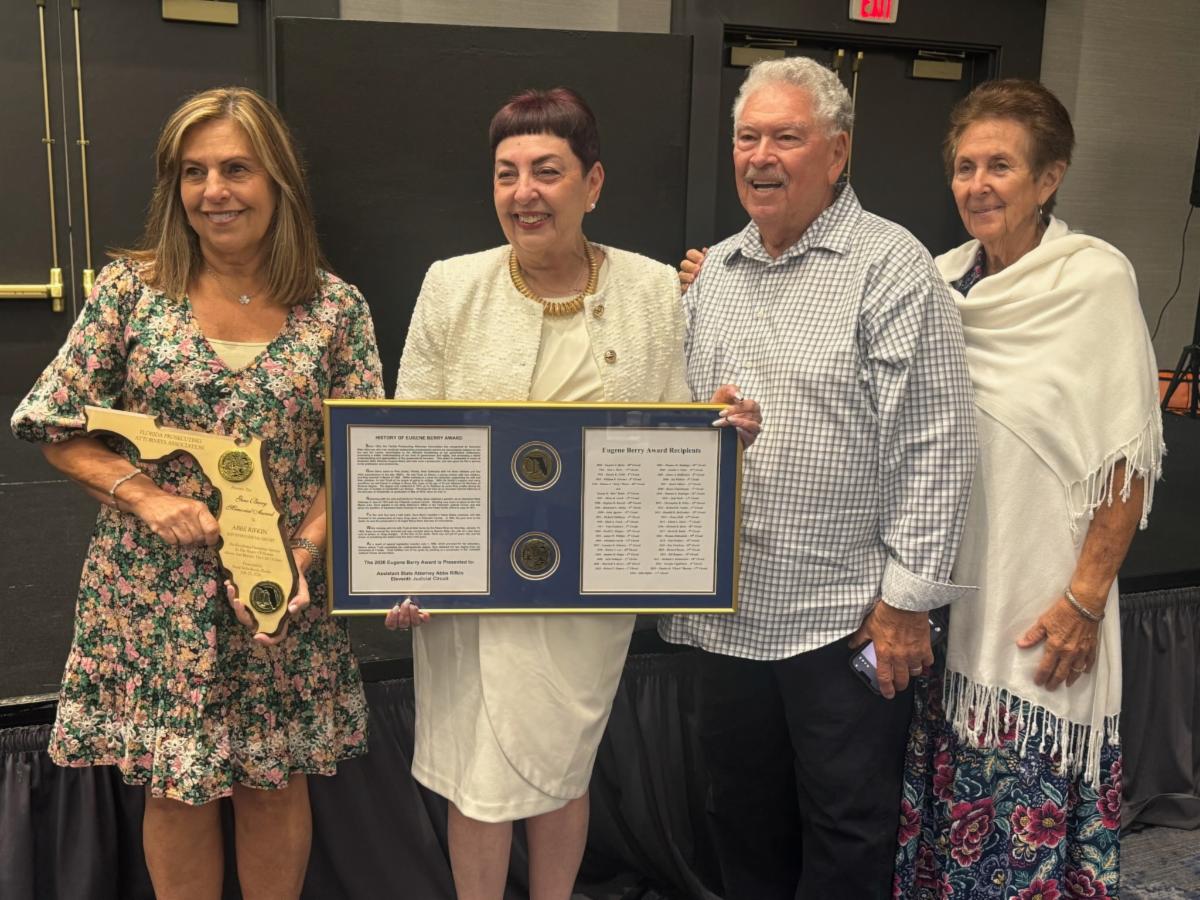
Her significant contributions to the profession earned her the prestigious Gene Berry Award from the Florida Prosecuting Attorneys Association, recognizing outstanding prosecutorial service since 1983. It is a powerful testament to her dedication, integrity, and commitment to justice.
Abbe has witnessed the profession evolve over time. Judges today are more conscious of the impact their decisions have on the community, and women prosecutors are treated with far more respect than when she began—when judges called women “sweety” or “hon,” women could not wear pants in trial, and she once had to ask jurors whether her advanced pregnancy made them uncomfortable. Those days are gone, replaced by true equality.
She understands the misconceptions about prosecution. “It’s not about putting people in jail. Our obligation is to do what is just,” she says. Sometimes that means dismissing a case even when she believes the defendant is guilty—but lacks sufficient evidence. Those decisions, she says, are the hardest of all.
Abbe grew up professionally alongside State Attorney Katherine Fernandez Rundle. Both began as young women breaking barriers and carving paths for future generations. “Kathy took Janet Reno’s vision and made it her own. She has always been supportive of my decisions. She listens, she values feedback, and she empowers her prosecutors to do what is right.”
“I have always seen Abbe as a powerful force of nature in the courtroom — a prosecutor with skill, heart, and a relentless commitment to justice. She is widely known for her exceptional ability to handle complex homicide cases, including those without a recovered body” said State Attorney Katherine Fernandez Rundle. “Beyond her trial work, she gladly shares her expertise with her colleagues. It’s no surprise that her FIU law classes are among the most sought-after each year.”
Known for her generosity and guidance, Abbe has always made herself available to prosecutors—from brand new ASAs to the most seasoned. “I remember being spoken down to as a young prosecutor and vowed never to do that. There is no such thing as a stupid question. At this stage, you think about the legacy you leave—the people you teach. We are a team, and communication is key.”
Outside of work, Abbe brings joy and harmony to her synagogue choir with her beautiful voice. She treasures time with her beloved husband, whom she met in law school, and especially delights in being a Bubbe to her two energetic granddaughters—who share her spark and love of life.